
Lease Termination Letter: The Exact Wording That Protects You in the USA - UPDATE
2/28/20268 min read
Understanding Lease Termination
Lease termination refers to the legal process of ending a lease agreement between a tenant and a landlord. It is important for both parties to grasp the implications and procedures involved in lease termination to safeguard their rights and obligations. There are various types of lease terminations that can occur, including mutual consent, breach of contract, and legal notices. Understanding each of these types helps to clarify the circumstances under which a lease can be validly terminated.
Mutual consent occurs when both the tenant and the landlord agree to end the lease before its natural expiration. This is typically achieved through a written agreement that outlines the terms of the termination, ensuring that both parties are in alignment and that no further obligations remain. On the other hand, breach of contract arises when one party fails to adhere to the terms specified within the lease, granting the non-breaching party the right to terminate the lease. Common breaches may include non-payment of rent, property damage, or failure to maintain the premises.
Legal notices serve as formal notifications to one party regarding the intent to terminate the lease based on specific legal grounds. Depending on state laws, a landlord may need to provide a written notice to the tenant, stating the reasons for termination, such as eviction due to lease violations or non-payment. Each state in the USA has different regulations dictating the notice periods and required documentation, making it crucial for both landlords and tenants to understand their local laws.
Properly terminating a lease is vital to ensure that both parties are protected against potential legal disputes. Common reasons for lease termination include changes in employment, loss of income, or a need for more space. By understanding the nuances of lease termination, tenants and landlords can navigate the complexities while ensuring compliance with legal standards.
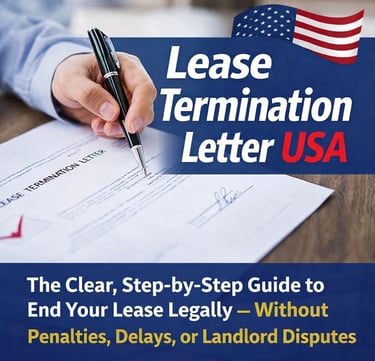
A lease termination letter is a fundamental document in the rental process, ensuring a clear and formal communication between tenants and landlords. Its significance lies in providing a written notice that clearly outlines the intention to terminate the lease, which can help avoid misunderstandings and disputes that may arise during this critical transition period. This letter serves as an essential record, detailing the terms of departure and ensuring that both parties are on the same page regarding the end of the tenancy.
By specifying the lease termination date and any conditions tied to the move-out process, a lease termination letter clarifies expectations for both landlords and tenants. It addresses important aspects such as the condition of the property upon leaving, timelines for final inspections, and the return of security deposits. This clarity can prevent potential conflicts and misinterpretations that might otherwise lead to legal ramifications.
Moreover, the absence of a lease termination letter can carry serious legal implications. Without this formal documentation, tenants risk not being able to prove their claim about the lease end date or agreement terms if a dispute arises. In some cases, landlords may contest a tenant's departure, leading to unnecessary legal complications. Therefore, a lease termination letter acts as a safeguard, providing tenants with legal documentation of their intent to vacate. This step not only affirms the tenant's compliance with rental laws but also protects their rights throughout the rental process.
In conclusion, a well-crafted lease termination letter is indispensable for an orderly and conflict-free exit from a rental property. It ensures that both parties fully understand their obligations, promoting a harmonious end to the leasing relationship. The importance of this document cannot be overstated, as it facilitates a smoother transition for both tenants and landlords alike.
Key Components of a Lease Termination Letter
A lease termination letter is a crucial document that serves to formally notify the landlord or tenant about the end of a rental agreement. To ensure its effectiveness, several essential components must be included. Firstly, the date of the letter is vital, as it establishes the timeline for the termination notice period and ensures both parties are aligned on communication.
Next, the address of the property must be clearly stated. This allows the letter to be identified easily and confirms that both parties are aware of the specific premises involved in the lease termination. Following this, including the names of the parties involved is essential. This helps to minimize any potential disputes regarding identities and responsibilities related to the lease agreement.
Another key element is the reason for termination. Clearly articulating the reason, whether it is due to the expiration of the lease, a breach of terms, or other factors, helps provide context. It is essential to be honest yet professional in this section to maintain a courteous tone. Additionally, the effective date of termination should be unambiguously stated to inform the other party when the rental agreement will officially end.
Lastly, the letter should include instructions for move-out procedures. This ensures that both parties understand their obligations regarding returning keys, conducting property inspections, and handling any final payments or clarifications of the lease. Including these elements not only enhances the clarity of the lease termination letter but also fosters an amicable conclusion to the rental relationship.
Sample Wording for Lease Termination Letters
When drafting a lease termination letter, it is crucial for both tenants and landlords to clearly express their intentions while adhering to relevant state laws. Below are examples of wording tailored to various lease termination scenarios:
Tenant-Initiated Termination: Dear [Landlord's Name],
I am writing to formally notify you of my intention to terminate my lease at [property address], effective [date]. This notice is being provided in accordance with the required notice period as specified in our lease agreement. Please let me know if you would like to discuss arrangements for the return of my security deposit and the final walkthrough of the property. Thank you for your understanding.
Sincerely,
[Your Name]
Landlord-Initiated Termination: Dear [Tenant's Name],
This letter serves as official notice of termination of your lease for [property address], with the termination date set for [date]. This decision has been made due to [reason for termination such as breach of lease terms, unpaid rent, etc.]. As per our lease agreement, I am providing you with the required notice period. Please ensure that the property is vacated by the aforementioned date. Thank you for your cooperation.
Kind regards,
[Your Name]
Mutual Termination: Dear [Tenant's Name],
After our recent discussions, this letter confirms our mutual agreement to terminate the lease for [property address], effective [date]. We appreciate your cooperation during your tenancy and wish you all the best in your future endeavors. Please confirm whether you will be available for a final inspection on the termination date.
Best wishes,
[Your Name]
These examples highlight the importance of personalizing the language used to align with each specific situation. Clear communication in lease termination letters not only protects the rights of both parties but also ensures compliance with state laws.
Legal Considerations and State Laws
When drafting a lease termination letter, it is imperative to understand the legal framework surrounding lease agreements, which can vary significantly from one state to another. Each state has its own laws governing residential leases, including specific requirements regarding notice periods, various formats, and the legal language that must be included. Failure to comply with these regulations can lead to disputes or legal challenges that could jeopardize the termination process.
Typically, notice periods for terminating a lease differ based on the type of lease agreement in question, as well as the terms explicitly outlined within that lease. For instance, month-to-month leases often require a 30-day notice, while fixed-term leases may necessitate different timelines, potentially influenced by the remaining duration of the lease. Therefore, it is vital to review local laws to ensure compliance and to avoid unintentional violations that could extend a lease agreement longer than intended.
Moreover, there are specific elements that should be included in a lease termination letter to align with state laws. These include the full names of both the tenant and landlord, the address of the rented property, and the clear indication of the intended move-out date. In many jurisdictions, the inclusion of a specific legal statement acknowledging the reason for termination and the adherence to local laws may also be required. This careful attention to the legal wording and format will serve to protect the rights of both parties, mitigating the risk of misunderstandings that may arise during the departure process.
In order to craft a legally sound lease termination letter, it is advisable for both tenants and landlords to consult legal resources or attorneys familiar with their state’s particular requirements. This step will aid in safeguarding against any oversights that could lead to unrest or disputes.
Best Practices for Sending a Lease Termination Letter
Sending a lease termination letter is a critical step in ensuring a smooth transition when ending a lease agreement. It is essential to adhere to best practices in order to ensure your termination letter is appropriately delivered and legally recognized. One of the most effective methods of delivery is through certified mail with a return receipt. This method provides you with tangible proof that the letter was sent and received, which is invaluable should any disputes arise in the future. The return receipt serves as an official record of the date of delivery, ensuring the other party is fully informed of your intent to terminate the lease.
Alternatively, in-person delivery can be a suitable option, particularly in situations where the relationship with the landlord is amicable. This allows for immediate communication, and you can clarify any queries they may have regarding the lease termination process. In cases where in-person delivery is not feasible, and if permissible under your lease agreement, sending the letter via email may also be an option. However, ensuring that you have a method to confirm receipt is crucial when employing this approach.
Regardless of the delivery method chosen, it is vital to retain a copy of the lease termination letter for your records. Should you encounter any potential responses or disagreement from the other party regarding the lease termination, having documentation can prevent miscommunication and provide clarity. Keeping track of any correspondence related to the termination will aid in resolving any issues efficiently. By following these best practices, you can safeguard your interests while adhering to legal protocols for terminating a lease agreement.
What to Do After Sending the Lease Termination Letter
Once you have sent your lease termination letter, it is essential to take several important steps to ensure a smooth transition from your current rental agreement. The first step is to follow up with your landlord or tenant to confirm the receipt of the letter. This can be done through a simple email or phone call, which will not only help you ascertain whether they received the notice but also demonstrate your professionalism and commitment to the termination process.
Next, you need to begin preparing for the move-out process. This includes establishing a timeline for when you plan to vacate the property, organizing your belongings, and possibly hiring a moving company if needed. Ensure that you adhere to any specific move-out instructions outlined in your lease agreement to avoid any complications.
While moving out, do not forget about your security deposit. It is crucial to ensure its return by leaving the property in good condition. Document the state of the property upon your departure with photographs and be aware of any necessary repairs that might lead to deductions from your deposit. Knowing your rights regarding the security deposit can protect you from any misunderstandings.
Maintaining open lines of communication with your landlord or tenant throughout this process is also vital. This includes discussing final walk-throughs, cleaning requirements, and confirming the method for returning the security deposit. If you find yourself in a situation where the other party does not respond to the termination letter, document all communications and consider sending a follow-up message as a reminder of the impending lease termination.
Taking these steps after sending a lease termination letter will help ensure that you navigate your next steps efficiently and effectively, protecting your interests as you transition from the rental agreement.
https://leaseterminationletterusa.com/lease-term-letter-usa-guide
Help
Questions? Reach out anytime.
Contact
support@leaseterminationletterusa.com
© 2026. All rights reserved.